June 30th, 2026


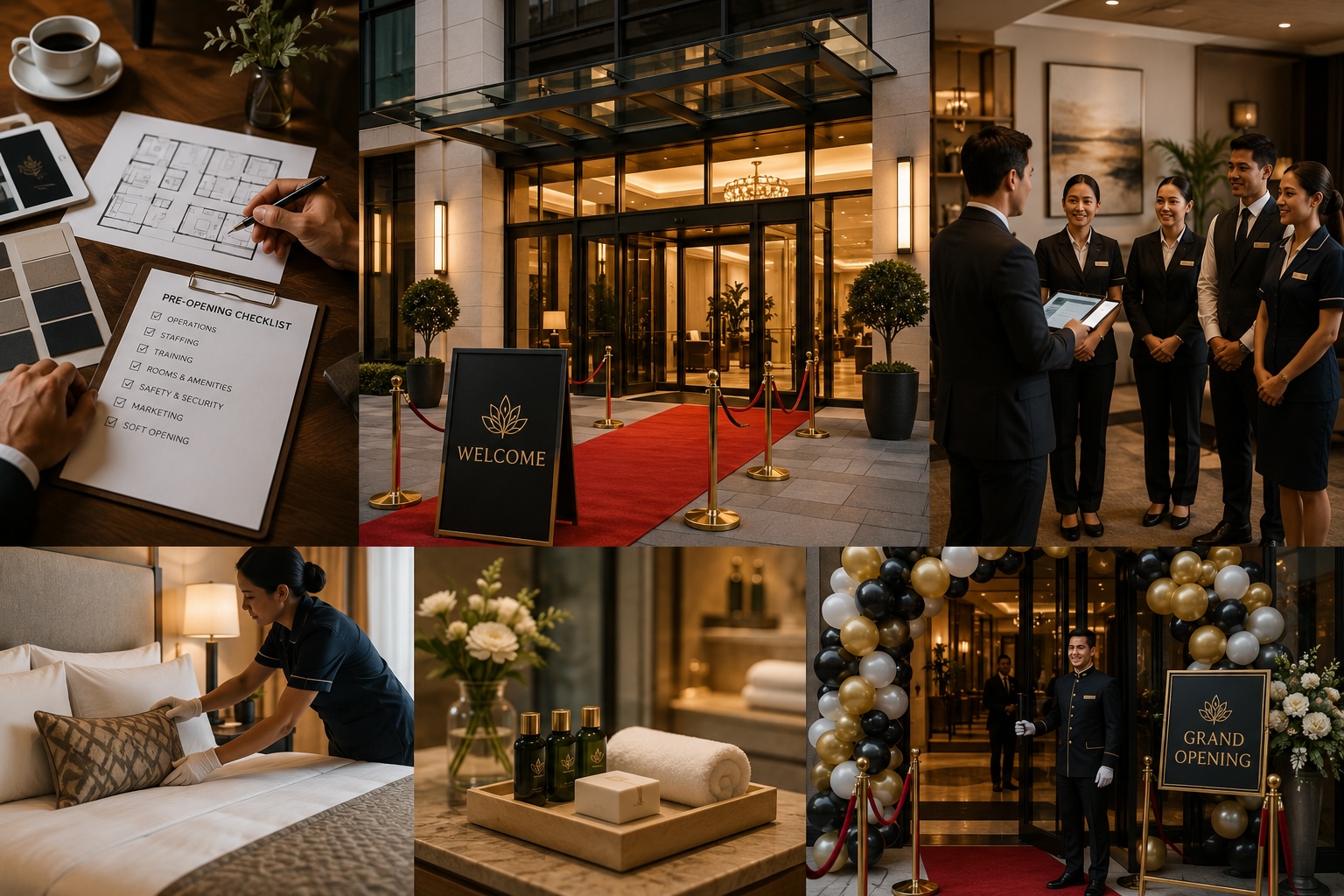
Quick Answer & Synopsis: A successful hotel opening requires careful planning across staffing, technology, operations, training, marketing, vendor coordination, and guest service preparation. The pre-opening phase is critical for identifying potential issues, establishing procedures, and ensuring all departments are ready to deliver a positive guest experience from day one. Thorough preparation helps reduce operational challenges and supports a smoother launch.
After months, and often years, of planning, construction, hiring, and preparation, opening day finally arrives.
But in hospitality, launching a hotel is rarely as simple as unlocking the doors and welcoming guests inside. The pre-opening phase is one of the most critical periods in the entire process because it determines how smoothly operations function and how the public perceives the property from the very beginning.
Even the most carefully planned hotels encounter unexpected challenges during opening periods. Systems behave differently under real occupancy conditions, staff must adapt to live guest interactions, and operational weaknesses often only become visible once the hotel begins functioning day to day.
This is why experienced hotel operators treat opening as a gradual process rather than a single event.
Before officially opening to the public at full scale, many hotels choose to conduct a soft launch.
A soft launch allows the property to operate under controlled conditions while testing workflows, customer service standards, and operational efficiency. Instead of immediately filling every room, hotels welcome a smaller number of guests to experience the property and provide feedback.
These early guests often include:
Friends and family
Business partners
Local community members
Industry professionals
Invited media guests
The goal is not perfection. The goal is refinement.
During this phase, hotel teams can identify issues related to housekeeping, check-in procedures, communication between departments, restaurant operations, or reservation systems before full occupancy places greater pressure on the operation.
A soft launch also gives staff the opportunity to gain confidence in real-world situations before the hotel experiences higher guest volumes.
Once operations are functioning smoothly, hotels can begin focusing on the public launch itself.
A grand opening is more than a celebration, it is a branding opportunity. The way a hotel introduces itself to the market can influence public perception for months or even years afterward.
Successful opening events often combine hospitality, media exposure, and community engagement. Depending on the type of property, this may include launch parties, local entertainment, ribbon-cutting ceremonies, or exclusive preview experiences for invited guests.
A strong opening event helps generate momentum and creates early visibility in a highly competitive market.
Public relations play a major role during the launch phase of a hotel.
Modern travelers increasingly discover hotels through social media creators, travel publications, YouTube content, and online recommendations rather than traditional advertising alone.
Because of this, many hotels collaborate with:
Local influencers
Travel bloggers
Journalists
Tourism publications
Lifestyle content creators
Inviting selected creators to experience the hotel before or shortly after opening can generate valuable publicity through reviews, photography, videos, and social media exposure.
However, successful influencer partnerships are not simply about follower counts. The audience and style of the creator should align naturally with the hotel’s brand identity.
For example, a luxury resort may prioritize high-end travel publications, while a lifestyle boutique hotel may benefit more from creators focused on food, design, or local culture.
Hotels do not operate independently from their surrounding communities. Strong local relationships often become one of the most valuable long-term growth drivers.
During the opening phase, many hotels begin building partnerships with:
Tour operators
Event planners
Restaurants
Transportation providers
Wedding coordinators
Corporate clients
Local attractions
These partnerships help generate referrals while also improving the guest experience through curated local recommendations and services.
For business-oriented hotels, corporate relationships can create recurring reservations and event opportunities. For destination properties, partnerships with tourism operators can significantly increase visibility among travelers visiting the area.
No matter how impressive a property may look, guest experience ultimately depends on the people operating it.
Opening periods can be stressful and unpredictable, which makes staff preparation essential. Employees need more than technical training, they also need confidence, adaptability, and a clear understanding of the hotel’s service standards.
Pre-opening training should focus on areas such as:
Guest communication
Problem-solving
Reservation systems
Emergency procedures
Service consistency
Cross-department coordination
Hotels that invest heavily in staff preparation often see stronger reviews and smoother operations during the critical first months after opening.
One of the most valuable resources during a hotel launch is guest feedback.
Early reviews and guest comments provide direct insight into operational strengths and areas requiring improvement. Hotels that actively listen to feedback during opening periods are often able to refine operations much more quickly.
Useful feedback methods may include:
Post-stay surveys
In-stay guest check-ins
QR code feedback forms
Review monitoring
Follow-up emails
Importantly, guests are often understanding of small opening-phase issues if communication is transparent and management responds professionally.
The key is demonstrating responsiveness and a willingness to improve continuously.
Opening day is not the finish line, it is the beginning of ongoing refinement.
The first several months are typically focused on monitoring performance, adjusting staffing levels, improving workflows, and analyzing guest satisfaction trends. Leadership teams should remain highly involved during this stage because small operational adjustments can have major long-term effects on efficiency and reputation.
This period can be demanding, but it is also one of the most rewarding stages in hospitality development. The hotel finally begins building its identity through real guest experiences, reviews, and community relationships.
Every successful stay, positive review, and returning guest contributes to the long-term reputation of the property.
A successful hotel opening is not defined by perfection on day one. It is defined by preparation, adaptability, and a commitment to continuous improvement.
The hotels that thrive long term are rarely the ones that avoid every challenge during launch. They are the ones that respond effectively, listen to guests, support their staff, and continue refining the experience long after the grand opening has passed.
Opening a hotel marks the beginning of a living business that will continue evolving alongside its guests, community, and market for years to come.
Feel free check out our full range of hospitality technology products, or contact our hospitality technology products team directly. We’re happy to address your inquiries and point you in the right direction.
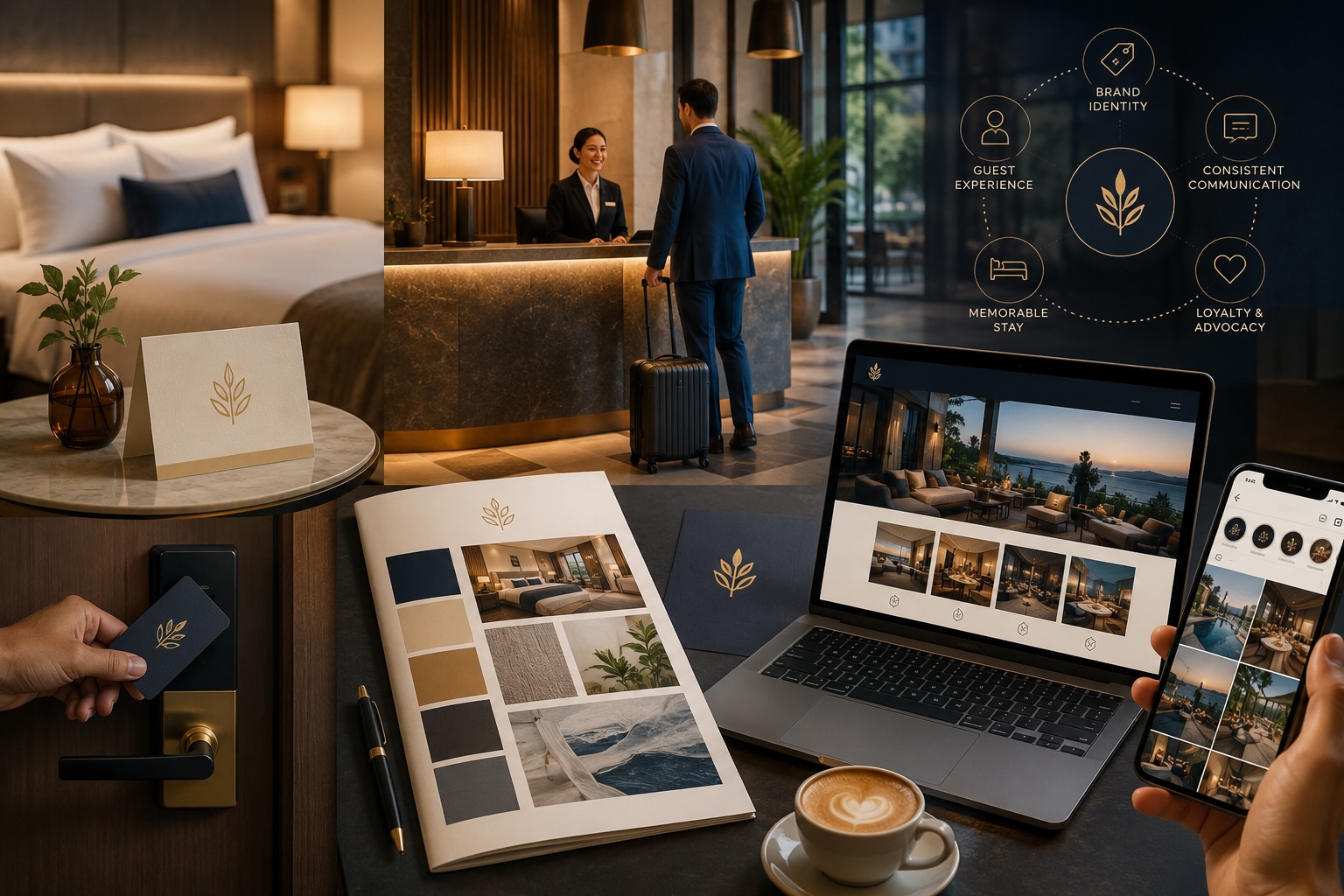
Defining your hotel marketing and branding is a crucial part of the success of your hotel business. In this guide find out the steps to build and maintain a strong hotel brand.
Explore key elements of market research and feasibility studies for opening a hotel: define your target audience, location and more.
Fill out the form below to request more information.