July 22nd, 2026


Quick Answer & Synopsis: Technology has become an essential part of the modern hotel guest experience, making brand standards more important than ever. Major hotel brands establish approved technology specifications to help franchisees select reliable products that integrate seamlessly with their operational systems and meet evolving guest expectations. This guide explains how hotel technology brand standards work, the product categories they commonly cover, and why choosing brand-approved solutions can simplify procurement, improve long-term reliability, and support successful property renovations and new construction projects.
Technology Category | Why It Matters |
|---|---|
Hospitality TVs | Delivers consistent guest entertainment, supports Pro:Idiom encryption, casting, and brand-required features. |
PTAC & HVAC Systems | Provides reliable climate control while meeting brand performance, efficiency, and installation requirements. |
Thermostats | Improves guest comfort and enables energy-saving automation through occupancy-based controls. |
Energy Management Systems (EMS) | Reduces energy consumption, lowers operating costs, and supports sustainability initiatives. |
Property Management System (PMS) Integration | Connects guest room technology with reservations, occupancy status, and operational workflows. |
Hotel Casting Systems | Enables guests to securely stream personal content from their own devices to the in-room TV. |
Networking & Wi-Fi Infrastructure | Supports connected guest rooms, streaming services, smart devices, and operational technology. |
Digital Signage | Enhances guest communication, way-finding, meeting spaces, and promotional messaging. |
Guest Room Appliances | Ensures commercial-grade performance, durability, and compliance with brand specifications. |
Hotel technology brand standards play a critical role in maintaining consistency, improving guest satisfaction, and ensuring compliance across hotel properties. Whether a hotel is part of a major franchise brand or an independent property striving to deliver a premium guest experience, technology standards help establish expectations for equipment, services, and operational performance.
From hospitality TVs and PTAC units to networking infrastructure and guest room appliances, today's hotel technology standards extend far beyond aesthetics. They help hotels deliver a reliable, modern experience that guests have come to expect while protecting the integrity of the brand.
In this guide, we'll explore what hotel technology brand standards are, why they matter, what technologies are typically included, and how hotel owners can stay compliant during renovations and Property Improvement Plans (PIPs).
Hotel technology brand standards are a set of requirements and guidelines that hotels must follow when selecting, implementing, and maintaining technology throughout their properties. These standards are often established by hotel brands to ensure consistency across all locations and to provide guests with a predictable experience regardless of where they stay.
Technology standards commonly apply to:
Hospitality TVs
PTAC and HVAC systems
Smart thermostats
Guest room appliances
Wi-Fi and networking infrastructure
Casting and streaming solutions
Digital signage
In-room telephones
Hotel management system integrations
Guest-facing technology solutions
These requirements are regularly updated as technology evolves and guest expectations change. Hotels that fail to meet current standards may be required to upgrade equipment as part of renovation projects, inspections, or franchise compliance reviews.
Technology standards serve several important purposes beyond simply maintaining consistency.
Delivering a Consistent Guest Experience
One of the primary goals of hotel brand standards is ensuring that guests receive a similar experience across every property within a brand's portfolio.
Today's travelers expect:
High-speed Wi-Fi
Modern hospitality TVs
Streaming and casting capabilities
Reliable climate control
Convenient in-room amenities
Easy access to hotel information and services
When technology standards are properly implemented, guests know what to expect regardless of which property they visit.
Protecting Brand Reputation
Hotel brands invest heavily in building trust and recognition with travelers. A poor guest experience caused by outdated technology can negatively impact reviews, guest loyalty, and overall brand perception.
Standardized technology helps ensure that each property reflects the quality and expectations associated with the brand.
Improving Operational Efficiency
Modern hotel technology standards often focus on operational performance as much as guest satisfaction.
Benefits include:
Reduced maintenance costs
Improved energy efficiency
Simplified equipment replacement
Better system compatibility
Streamlined staff operations
Longer equipment lifecycles
Hotels that follow approved technology standards typically experience fewer service interruptions and lower long-term operating costs.
Supporting Future Growth
Technology standards help hotels prepare for future innovations and upgrades by ensuring compatibility across systems and infrastructure.
This makes it easier to adopt new guest services, improve connectivity, and maintain competitiveness in a rapidly evolving hospitality landscape.
Technology standards vary between hotel brands, but several categories consistently appear across most franchise requirements.
Hospitality TVs
Hospitality televisions are among the most common technology requirements within hotel brand standards.
Unlike consumer televisions, hospitality TVs are specifically designed for hotel environments and often include:
Commercial-grade durability
Centralized management capabilities
Pro:Idiom content security
Custom welcome screens
Casting and streaming support
Remote monitoring
Simplified maintenance
Many hotel brands specify approved TV manufacturers, screen sizes, and functionality requirements to ensure a consistent guest experience.
PTAC Units and HVAC Systems
Guest comfort remains one of the most important drivers of hotel satisfaction. For this reason, many hotel brands establish standards for:
PTAC units
HVAC systems
Thermostats
Energy management systems
Modern standards often emphasize energy efficiency, quieter operation, and smart climate control capabilities that improve both guest comfort and operational performance.
Guest Room Appliances
Hotel brands frequently establish standards for in-room appliances, including:
Refrigerators
Microwaves
Coffee makers
Safes
Hair dryers
Ironing equipment
These requirements help ensure quality, durability, and consistency throughout the guest experience.
Wi-Fi and Networking Infrastructure
Reliable internet access is no longer considered a luxury, it is an expectation.
Technology standards often address:
Network performance
Wireless coverage
Bandwidth capacity
Network security
Guest authentication
Streaming compatibility
Hotels with outdated networking infrastructure may experience guest complaints, lower review scores, and operational challenges.
Streaming and Casting Solutions
As guests increasingly expect to access their personal content while traveling, many hotel brands now encourage or require casting solutions.
These platforms allow guests to stream content from:
Smartphones
Tablets
Laptops
Directly to in-room hospitality TVs while maintaining privacy and security.
Installation Hardware and Infrastructure
Technology standards often extend beyond the equipment itself.
Additional requirements may include:
TV mounting systems
ADA compliance considerations
Cable management solutions
Power distribution equipment
Infrastructure upgrades
Proper installation helps ensure safety, reliability, and a professional appearance throughout the property.
Many hotel owners first encounter brand technology requirements during a Property Improvement Plan, commonly known as a PIP.
What Is a Hotel PIP?
A Property Improvement Plan is a detailed list of upgrades required by a hotel brand when:
Purchasing a franchise property
Renewing a franchise agreement
Completing a major renovation
Addressing compliance issues
PIPs help ensure that properties continue to meet evolving brand standards.
Technology Requirements Commonly Found in PIPs
Technology-related upgrades often represent a significant portion of a PIP budget.
Examples include:
Hospitality TV replacements
PTAC and HVAC upgrades
Wi-Fi infrastructure improvements
Smart thermostat installations
Guest room appliance replacements
Digital signage enhancements
Streaming and casting implementations
Because technology evolves rapidly, brands frequently update requirements to align with changing guest expectations and industry trends.
Planning Ahead for PIP Compliance
Hotels that proactively monitor brand standards and equipment lifecycles are often better positioned to manage renovation costs and avoid unexpected expenses when a PIP is issued.
Working with hospitality technology specialists can help properties identify potential compliance issues before they become costly problems.
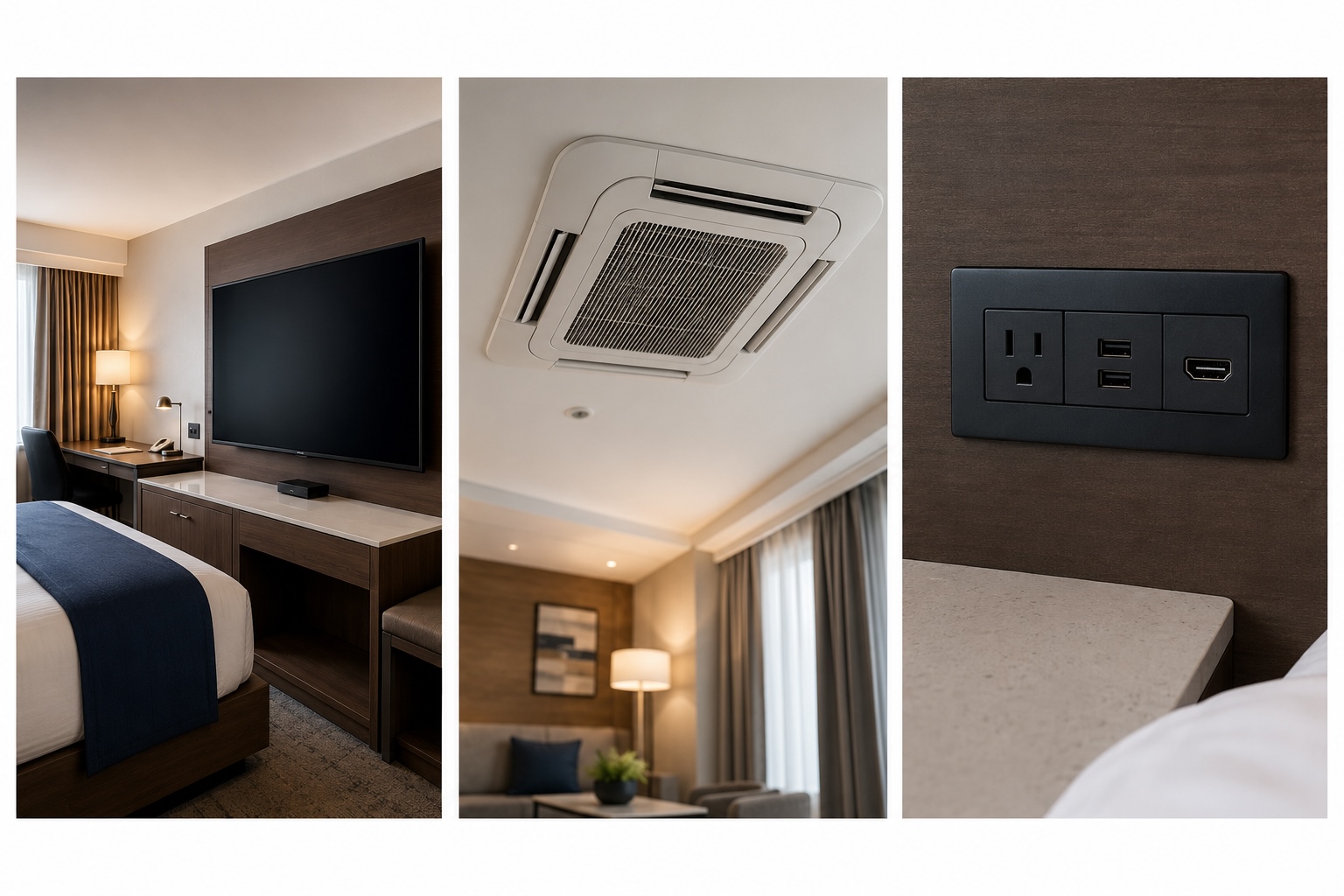
Failing to comply with hotel technology standards can create several challenges.
Failed Inspections
Most major hotel brands conduct periodic inspections to verify compliance with current standards.
Technology deficiencies may result in:
Corrective action requirements
Mandatory upgrades
Follow-up inspections
Reduced Guest Satisfaction
Outdated or poorly functioning technology can negatively impact the guest experience.
Common complaints include:
Slow Wi-Fi
Poor television performance
Limited streaming options
Uncomfortable room temperatures
Aging appliances
These issues often translate directly into lower guest review scores.
Higher Operating Costs
Older equipment generally requires more maintenance, consumes more energy, and creates additional operational burdens for hotel staff.
Modern technology standards are often designed to improve efficiency while reducing long-term costs.
Potential Franchise Compliance Issues
In severe cases, failure to address required upgrades could impact a property's standing with its franchise brand and create additional compliance concerns.
Maintaining compliance requires ongoing planning and investment.
Work With Hospitality-Focused Suppliers
Hospitality technology differs significantly from consumer-grade products. Working with experienced hospitality suppliers helps ensure that hotels select solutions designed specifically for the lodging industry.
Verify Approved Equipment
Many hotel brands maintain approved vendor lists and product specifications.
Before making purchasing decisions, hotels should verify:
Brand approval status
Technical requirements
Compatibility standards
Installation guidelines
Review Brand Standards Regularly
Technology standards continue to evolve.
Hotel owners and management teams should routinely review updates from their franchise brands to identify upcoming requirements and opportunities for improvement.
Plan Renovations Strategically
Waiting until equipment fails often results in higher costs and greater operational disruption.
Proactive replacement schedules can help hotels:
Spread costs over time
Minimize guest disruption
Improve compliance readiness
Maintain Documentation
Keeping records of equipment specifications, installations, warranties, and upgrades can simplify inspections and support future renovation planning.
What are hotel technology brand standards?
Hotel technology brand standards are the technology requirements established by hotel brands to ensure consistency, guest satisfaction, operational efficiency, and franchise compliance across properties.
Do all hotel brands have technology standards?
Most major hotel brands maintain technology standards covering guest room equipment, networking infrastructure, hospitality TVs, HVAC systems, and other technology-related products.
What technology is typically required during a hotel renovation?
Common renovation requirements include hospitality TV upgrades, PTAC replacements, Wi-Fi improvements, appliance updates, smart thermostats, and guest room technology enhancements.
What is the difference between a hospitality TV and a consumer TV?
Hospitality TVs are designed specifically for hotel environments and typically include centralized management, content security, commercial-grade durability, and guest-focused functionality that consumer TVs do not provide.
What happens if a hotel fails a brand inspection?
Hotels may be required to complete corrective actions, replace non-compliant equipment, or undergo follow-up inspections to maintain compliance with franchise standards.
How often do hotel technology standards change?
Most hotel brands review and update standards periodically to reflect advancements in technology, guest expectations, energy efficiency requirements, and operational best practices.
Guest expectations continue to evolve, and hotel technology standards are evolving alongside them.
Emerging technologies such as smart room controls, advanced energy management systems, mobile guest services, AI-powered support tools, and enhanced streaming platforms are increasingly influencing brand requirements.
Hotels that invest in modern, scalable technology solutions today will be better positioned to meet future standards while enhancing both guest satisfaction and operational performance.
Hotel technology brand standards help hotels deliver a consistent guest experience while ensuring compliance with franchise requirements and industry expectations. From hospitality TVs and PTAC systems to networking infrastructure, appliances, and smart guest room technologies, every technology decision contributes to guest satisfaction, operational efficiency, and long-term brand success.
As hotel brands continue to raise expectations and modernize their requirements, staying ahead of technology standards becomes increasingly important. By planning proactively, investing strategically, and partnering with experienced hospitality technology providers, hotels can maintain compliance, improve operations, and create exceptional guest experiences for years to come.
TWS Transworld helps hotels source and implement hospitality TVs, PTAC units, appliances, networking solutions, and other technology products that align with major hotel brand standards, renovation projects, and Property Improvement Plans.
Reach out to our team of experts directly. We'll be sure to point you in the right direction.
In this chapter, we explore how to define the hotel type, and how to develop a unique concept that captures attention and drives bookings...

Explore the best hotel technology conferences 2026 in the U.S. and around the world. See dates, locations, and keynote highlights.
Fill out the form below to request more information.